


How Classmates Can Support a Grieving Student
Updated: Aug 12
When a classmate loses someone, other children often genuinely want to help but have no idea how. A Here's how classmates support grieving student peers at school: with a little concrete guidance — the kind you might give directly to kids, not just to the adults around them — can make a real difference.
Say something simple, rather than nothing at all. "I'm really sorry about your dad" or "I heard what happened, and I'm here if you want to talk, or if you just want to play" is enough. Kids often avoid the topic entirely out of fear of saying the wrong thing, but silence can feel like indifference to the grieving child, even when that's not the intention.

It's okay not to know what to say. Teaching classmates that "I don't know what to say, but I'm glad you're here" is a completely acceptable response can relieve the pressure that keeps many kids from saying anything at all.

Let the grieving child set the tone. Some days they may want to talk about what happened; other days they'll want to be treated exactly like everyone else and just play, work, or laugh without the topic coming up. Following their lead, rather than deciding for them how much attention the loss deserves on a given day, tends to be appreciated.

Avoid comparing losses or offering unsolicited advice. "My grandma died too, so I know how you feel" or "at least he's not suffering anymore" are common instincts among kids trying to relate, but they can minimize what the grieving child is going through. A simpler, less comparative response usually lands better.

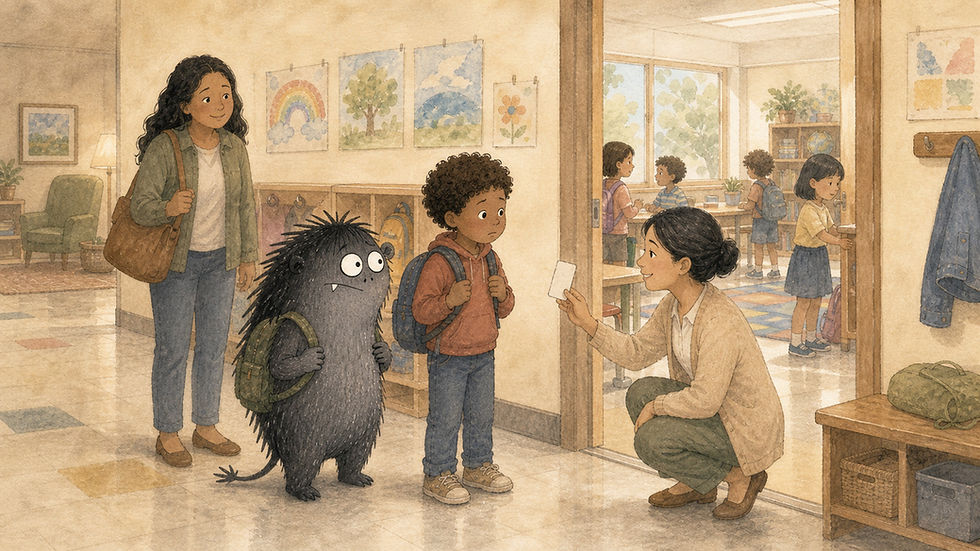
Include them in ordinary activities, not just sympathetic conversations. Being invited to sit at lunch, join a game, or work on a group project as normal can matter as much as — sometimes more than — direct condolences, because it signals that the grieving child is still seen as a full participant in their social world.

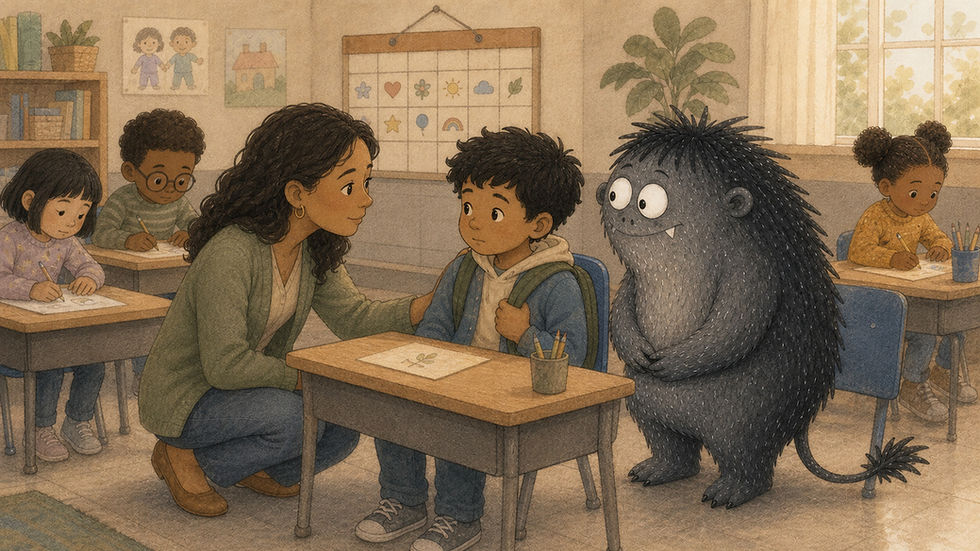
Teachers and parents can model this directly, rather than assuming kids will figure it out. A short, matter-of-fact classroom conversation about what to say and what to avoid, framed around empathy rather than rules, tends to help kids feel equipped rather than anxious about getting it wrong.

Comments